
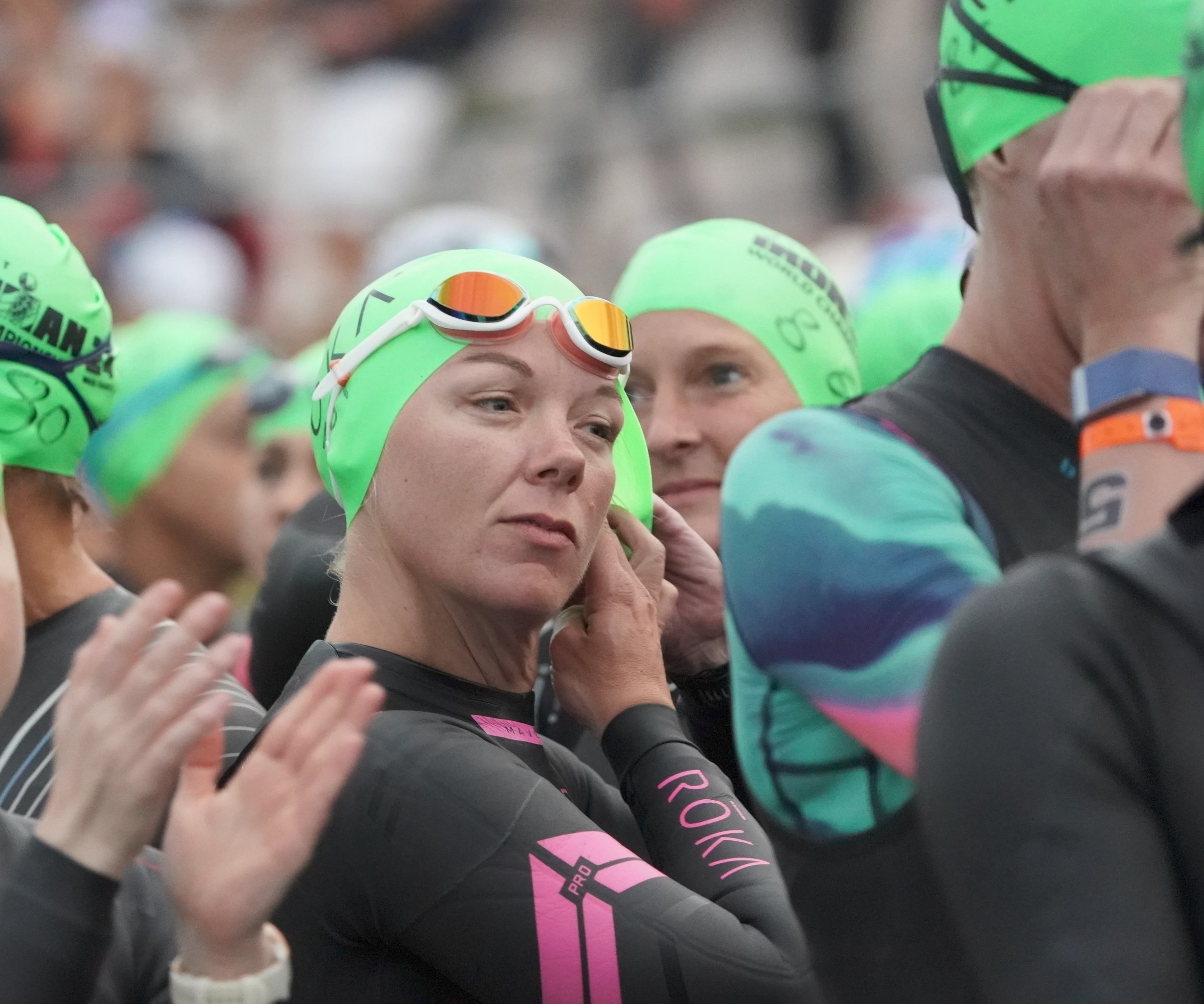
In an end of season reflection, an athlete expressed how they felt they made the shift from completer to competitor – and how it was harder than expect.
The discomfort is real, and to be expected when experiencing a shift in identity.
Going from completer to competitor means a fundamental shift in why and how you show up to sport. A completer is focused primarily on finishing. The goal is participation, survival, and getting to the end. Training is often about checking boxes: doing the workouts, getting through race day, and managing the event. There’s nothing wrong with this phase – for many athletes it’s an important and healthy starting point.-
A competitor, on the other hand, is focused on performance and execution. The goal becomes racing with intention. That means making decisions based on long-term development, not just immediate comfort. Training is no longer about completion alone; it’s about quality, consistency, and learning.
The shift shows up in several key ways:
- Mindset: A competitor evaluates outcomes objectively. Instead of “I finished,” the question becomes “How well did I execute my plan?”
- Ownership: A competitor takes responsibility for preparation, recovery, and mental skills not just the physical work.
- Response to discomfort: Discomfort isn’t avoided; it’s managed. Competitors learn how to stay engaged when effort increases or things don’t go as planned.
- Relationship with failure: A poor result is information, not a verdict. Competitors reflect, adjust, and move forward.
- Consistency over motivation: Training happens because it aligns with goals, not because it feels good that day.
Importantly, becoming a competitor does not mean chasing podiums or comparing yourself to others. It means competing against your own potential with clarity and purpose.
Most athletes don’t flip a switch from completer to competitor. They move through a learning phase where confidence wavers and expectations rise. That tension is normal. It’s a sign you’re stepping into a more intentional, growth-focused version of yourself as an athlete.
How then can an athlete ease the shift from completer to competitor?
Define what success means before each season, each race, each session. Keep it process-oriented rather than based on results. This reduces anxiety because you’re no longer judging the session only by numbers or outcomes. Research shows that process goals improve focus and emotional regulation under pressure. You still train with intention, but without tying your identity to the result.
Use neutral self-talk during effort. When intensity rises, replace emotional or judgmental thoughts with neutral, task-focused cues. Instead of “this feels terrible,” try, “breathe, relax, hold form.” Studies on self-talk show that neutral, instructional language helps athletes stay engaged without escalating stress. You’re not forcing positivity, instead you’re staying present and functional.
End with objective reflection. Whether it’s after every session, every week, or ever race, make note one thing you executed well and one thing you learned. Rather than focusing on if something was good or bad, shift focus to: “What did I do intentionally?” or “What information did today give me?” This builds a growth-oriented feedback loop and reduces the emotional swing that often comes with competing more seriously. You’re training your brain to see progress, not perfection.
These habits won’t eliminate discomfort and they shouldn’t. But they contain it, so growth feels purposeful instead of overwhelming. In time, the shift from completer to competitor becomes smoother, growth-focused, and ultimately part of your athletic identity.
