ABOUT MULTISPORT MASTERY
Developing Athletes. Building Performance. Thinking Long Term.
Since 2007, Multisport Mastery has helped endurance athletes pursue ambitious goals through individualized coaching, thoughtful training, and a commitment to developing the whole athlete.
Founded on the Belief That Coaching Should Be Personal
Multisport Mastery was founded in 2007 by Elizabeth Waterstraat, an endurance athlete and coach who believed that effective coaching should extend beyond the delivery of a training plan.
Over 26 years as an endurance athlete and 20 years as a coach, Elizabeth has experienced and observed how performance develops across different seasons of life.
She has worked with athletes preparing for their first races, pursuing personal records, competing at national and world championships, and navigating the challenges that come with balancing athletic ambition and everyday responsibilities.
Those experiences have reinforced a central belief: there is no single training formula that works for every athlete, and the most effective coaching begins with understanding the individual.
What works for an athlete at one stage of life may need to change as their goals, responsibilities, capabilities, and priorities evolve.
Multisport Mastery was built around that understanding and continues to apply it across our coaching team today.

Elizabeth Waterstraat
Founder & Head Coach
Multisport Mastery
The Athlete Is More Than the Training Data
Endurance sport has become increasingly sophisticated. We have access to more training information, performance metrics, and technology than ever before.
These tools can be valuable, but they don’t replace the judgment required to understand an athlete.
A training file can tell us how much power an athlete produced, how fast they ran, or how their heart rate responded. It cannot fully explain how they slept, what stress they’re carrying, how motivated they feel, or whether the training remains sustainable.
We believe effective coaching requires both objective information and meaningful communication.
We ask questions. We listen. We evaluate training in the context of the athlete’s life, and we adjust the process as circumstances change.
Our approach is evidence-informed and performance-focused, but it remains fundamentally athlete-centered.
We use data to guide decisions, not to define the athlete.
Improvement Is a Long-Term Process
One of the most important lessons endurance sport teaches is that meaningful progress rarely happens on demand.
Fitness develops through repeated training, recovery, adaptation, and the accumulation of work over time. Some improvements become apparent quickly, while others require months or years before their value is fully realized.
Across decades of competing and coaching, we’ve seen athletes pursue improvement through different approaches, training philosophies, and performance strategies.
The common factor in sustained development is consistency.
That doesn’t mean every athlete needs to train more, train harder, or follow the same schedule. Consistency looks different depending on the individual. For one athlete, it may mean developing a stronger aerobic foundation. For another, it may mean improving recovery, establishing a more reliable swim routine, or finding a training schedule that works alongside family and professional responsibilities.
Our responsibility as coaches is to identify what matters most for each athlete and help them sustain the work long enough for meaningful adaptations to occur.
We want athletes to understand that progress isn’t always linear and that a single workout, race, or season rarely tells the entire story.
Engage. Educate. Empower. Excel.
Our coaching approach is organized around four connected principles that guide the way we work with athletes.
Engage
Effective coaching begins with a relationship built on trust, communication, and a shared understanding of the athlete’s goals.
We take time to understand the individual, their motivations, their challenges, and what they’re willing to commit to the process.
Educate
We believe athletes benefit from understanding why they’re doing the work.
We explain training principles, performance data, recovery, race strategy, and the adaptations we’re trying to achieve so athletes can participate more fully in their development.
Empower
As athletes gain experience and knowledge, they become more capable of making decisions, adapting to challenges, and taking responsibility for their goals.
We encourage that independence rather than creating unnecessary dependence on the coach.
Excel
Excellence involves bringing physical preparation, technical skills, judgment, and confidence together when it matters.
Sometimes that produces a personal record, a championship qualification, or a podium finish. Other times, excellence is reflected in how an athlete responds to adversity, executes a difficult race, or continues developing across seasons.
These principles work together throughout the coaching relationship, supporting both performance and long-term growth.
Coaching Is a Partnership
We believe the strongest coaching relationships are built on shared responsibility.
Our role as coaches is to provide direction, thoughtful programming, feedback, education, and the perspective that comes from experience.
The athlete’s role is equally important.
Training requires commitment, communication, curiosity, and a willingness to make room in life for meaningful goals.
We encourage athletes to ask questions, share honest feedback, and participate in decisions about their training.
When something isn’t working, we want to know. When an athlete is uncertain, we want to understand why. When a goal changes, we reassess the path forward.
The relationship works best when both athlete and coach are engaged in the process.
Over time, our goal is not only to develop a stronger athlete, but a more knowledgeable, confident, and independent one.
Experience Across Athletes, Distances, and Stages of Life
Our coaching team brings experience as endurance athletes, educators, and coaches.
We’ve worked with athletes preparing for first finish lines, pursuing competitive age-group performances, qualifying for world championships, and competing at national and international levels.
That breadth of experience informs our approach, but we don’t believe that a coach’s value can be measured by credentials or race results alone.
Coaching also requires curiosity, communication, sound judgment, and a willingness to continue learning.
The science of endurance performance continues to evolve, and so do the athletes we work with.
We remain committed to professional development, evidence-informed practices, and continually refining our understanding of how athletes train, adapt, and perform.
At a glance
- Founded in 2007
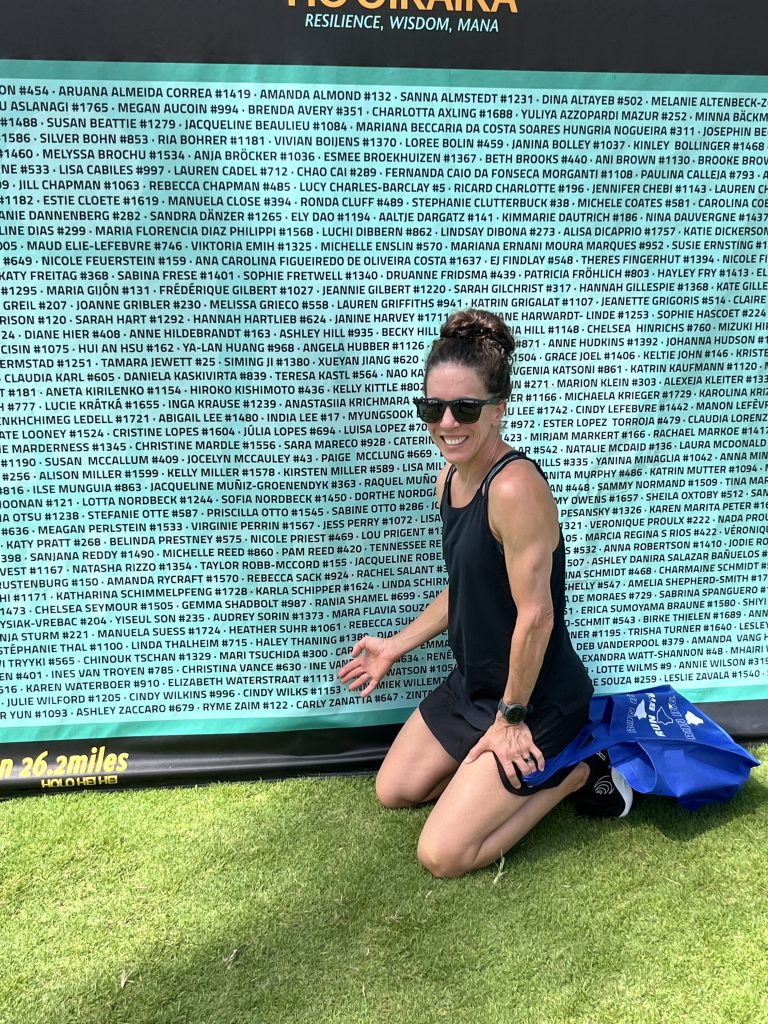
- Head coach Elizabeth Waterstraat is a USA Triathlon Level III coach with a Master’s degree in Public Health
- 20 years of coaching; 26 years as an endurance athlete
- Based in Naperville, coaching athletes in person and remotely around the world
Athletes Who Want to Learn, Improve, and Stay in the Process
Our athletes come from different backgrounds and pursue different goals.
Some are new to endurance sport. Others have competed for decades. Some are focused on qualifying for a championship, while others are working toward their first Ironman, returning from a setback, or finding a more sustainable approach to training.
What they tend to share is a willingness to participate actively in their development.
They’re curious about how training works. They want to understand their strengths and limitations. They’re willing to ask questions, consider feedback, and take ownership of the decisions required to pursue their goals.
We believe those qualities matter more than any particular finishing time or competitive ranking.
Our coaching is designed for athletes who value the process of improvement as much as the outcome. If you have questions about how that works in practice, our coaching FAQs are a good place to start.

There Is More to Sport Than the Finish Line
We care deeply about performance. We enjoy helping athletes pursue difficult goals, prepare for important races, and discover what they’re capable of achieving.
But endurance sport also offers something that extends beyond competition.
It teaches patience when progress is slow, adaptability when circumstances change, and the value of continuing to engage when outcomes are uncertain.
Athletes will experience breakthroughs and setbacks, exceptional races and disappointing ones. Over a long athletic career, both are inevitable.
We believe the knowledge, confidence, judgment, and perspective developed through those experiences can remain valuable long after a particular race result has faded.
Our goal is to help athletes perform at their best while building a relationship with sport that can continue to challenge and reward them for years to come.
Get to Know Our Team
The right coaching relationship begins with understanding each other.
If you’re looking for individualized coaching, thoughtful guidance, and a team that takes an active interest in your development, we’d welcome the opportunity to learn more about you.
Whether your next goal is your first finish line or your most ambitious performance yet, the conversation begins with where you are today.