
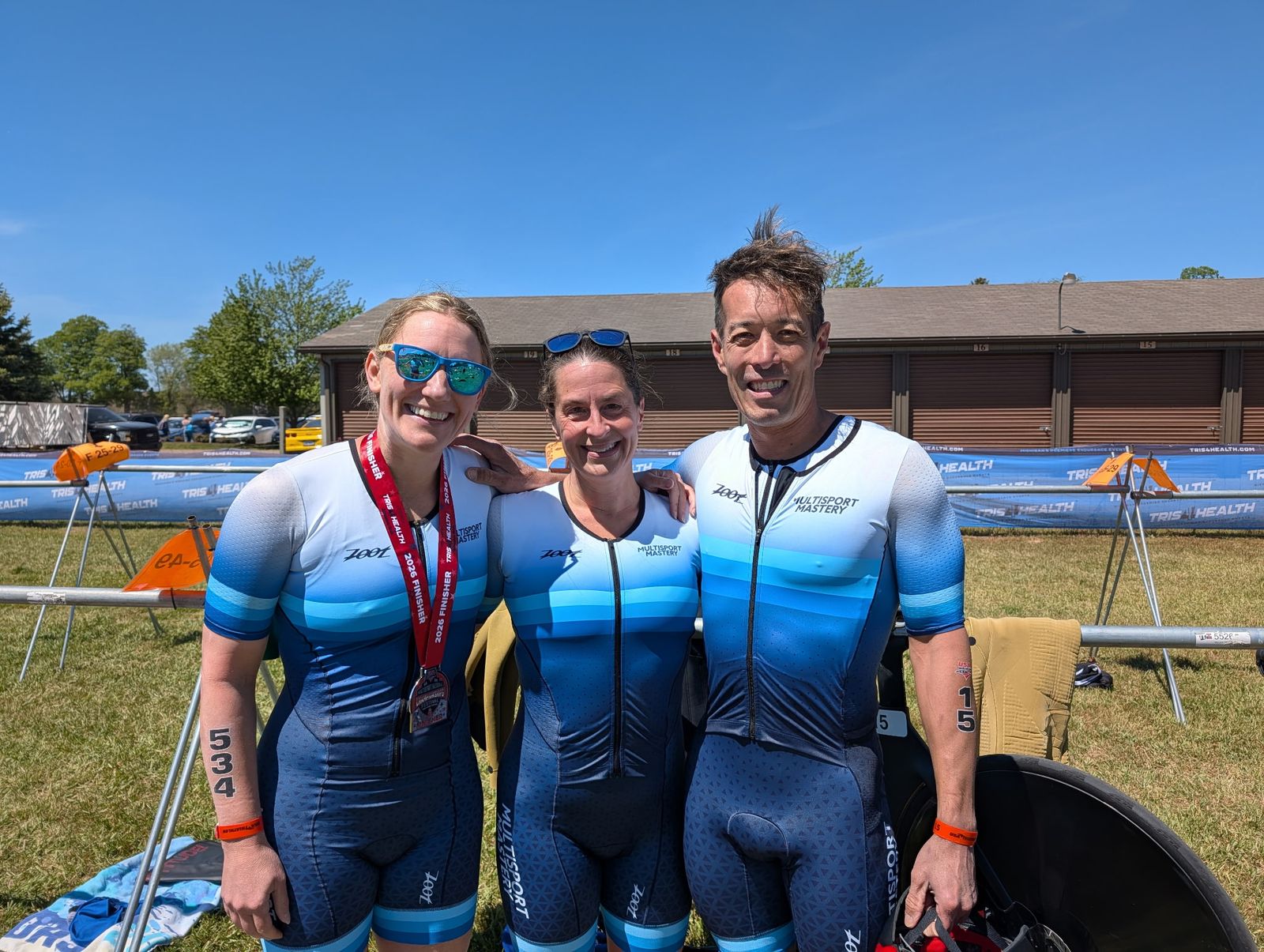
At Multisport Mastery, our coaching philosophy is built on a simple truth: athletes are complex, adaptive humans, not machines. Training only works when it respects the realities of the athlete, the demands of the sport, and the science of how people actually learn, adapt, and perform.
Below is the framework that shapes how we design training, support athletes, and guide them toward their best performances.
1. Athletes Are Complex, Not Linear
Human performance isn’t a straight line. Athletes respond to training differently from day to day based on stress, sleep, life load, emotions, and environment. We coach with this in mind.
What this means in practice:
- Training adapts to the athlete, not the other way around
- Flexibility is built into every plan
- We value responsiveness over rigidity
- Progress is measured in patterns, not perfection
2. Perception Drives Performance
Even with the influx of technologies, devices, and data available RPE (Rate of Perceived Effort) remains one of the most powerful tools an athlete can develop. It anchors pacing, regulates intensity, and builds race‑day autonomy.
What this means in practice:
- Athletes learn to feel effort, not chase numbers
- Workouts are written to shape experience, not dictate outputs
- Pacing becomes intuitive, not reactive
3. Training Must Fit Real Life
Most athletes aren’t full‑time professionals – they’re balancing careers, families, travel, stress, and unpredictable schedules. Training has to work within those constraints.
What this means in practice:
- Plans are modular and adaptable
- We adjust based on life load, not just training load
- Consistency matters more than perfection
4. Durability Comes Before Speed
Long‑term progress depends on staying healthy. We prioritize durability, tissue tolerance, and sustainable progression.
What this means in practice:
- Conservative, smart progressions
- Strength and mobility integrated year‑round
- Injury history shapes training decisions
- “More” is never the default answer
5. Mindset Is a Performance Variable
Athletes bring their identity, habits, fears, confidence, and stress mindset into every session. We coach the person, not just the plan.
What this means in practice:
- Psychological flexibility is a core skill
- We address perfectionism, fear, and confidence cycles
- Language, cues, and process anchors are built into training
- Athletes learn to navigate discomfort, not avoid it
6. Environment Shapes Adaptation
Weather, terrain, equipment, pool access, daylight, and race‑specific demands all influence training.
What this means in practice:
- We teach athletes how to adjust intelligently
- Training is contextual, not generic
- Race‑specific preparation is built into every block
7. Race Demands Drive Training Design
Every race has unique constraints; terrain, pacing, fueling, environmental stress, and psychological load.
What this means in practice:
- Training is tailored to the athlete’s actual event
- We prepare athletes for the specific demands they’ll face
- Pacing, fueling, and execution are practiced long before race day
8. Clear, Actionable Communication
We believe coaching should be simple to understand and easy to execute. Our communication style reflects that.
What this means in practice:
- TrainingPeaks language is concise and athlete‑friendly
- We provide checklists and race‑week templates
- Feedback loops are structured and consistent
- Athletes always know the “why” behind the work
9. Evidence‑Based Coaching
Our approach blends endurance physiology and psychological frameworks.
What this means in practice:
- We use principles, not trends
- We value adaptability over rigid models
- We coach the whole athlete: physiology, psychology, and environment
10. Athlete Education + Autonomy
Our goal is not just to train athletes – it’s to teach them. Confident, self‑aware athletes perform better under pressure.
What this means in practice:
- Every workout is a learning opportunity
- Athletes develop decision‑making skills
- Race‑day autonomy is built, not assumed
- We coach for long‑term mastery, not short‑term output
Multisport Mastery is shaped by the realities of human performance: complexity, context, adaptability, and the athlete’s lived experience. We don’t chase perfection – we build durable, confident, self‑aware athletes who can perform when it matters.
Keep Reading
- Our Coaching Framework
- Beyond Performance: What 20 Years of Endurance Coaching Has Taught Me About Goals, Identity, and Possibility
- Why Listening to Athletes Matters More Than Their Metrics
About the Author
Elizabeth Waterstraat | Founder and Head Coach, Multisport Mastery
Elizabeth Waterstraat is the founder and head coach of Multisport Mastery, with 20 years of coaching experience and 26 years as an endurance athlete. A USA Triathlon Level III Coach, she is a five-time Kona qualifier, five-time Ironman World Championship finisher and 12-time National Champion. She has coached athletes from beginners to professionals and from first-time finishers to world champions, helping them develop the fitness, skills, and confidence to pursue ambitious goals through consistent, purposeful training.
Her coaching philosophy is built on communication, education, and partnership, with an athlete-driven approach that emphasizes the process as much as the outcome. She believes effective coaching requires understanding the individual, maintaining focus on meaningful goals, and finding balance between athletic ambition and the demands of everyday life. Through her coaching and writing, Elizabeth encourages athletes to take ownership of their development, build confidence through knowledge, and create a positive, sustainable relationship with sport.
Read more about Elizabeth, or book a fit call to talk about your goals.