
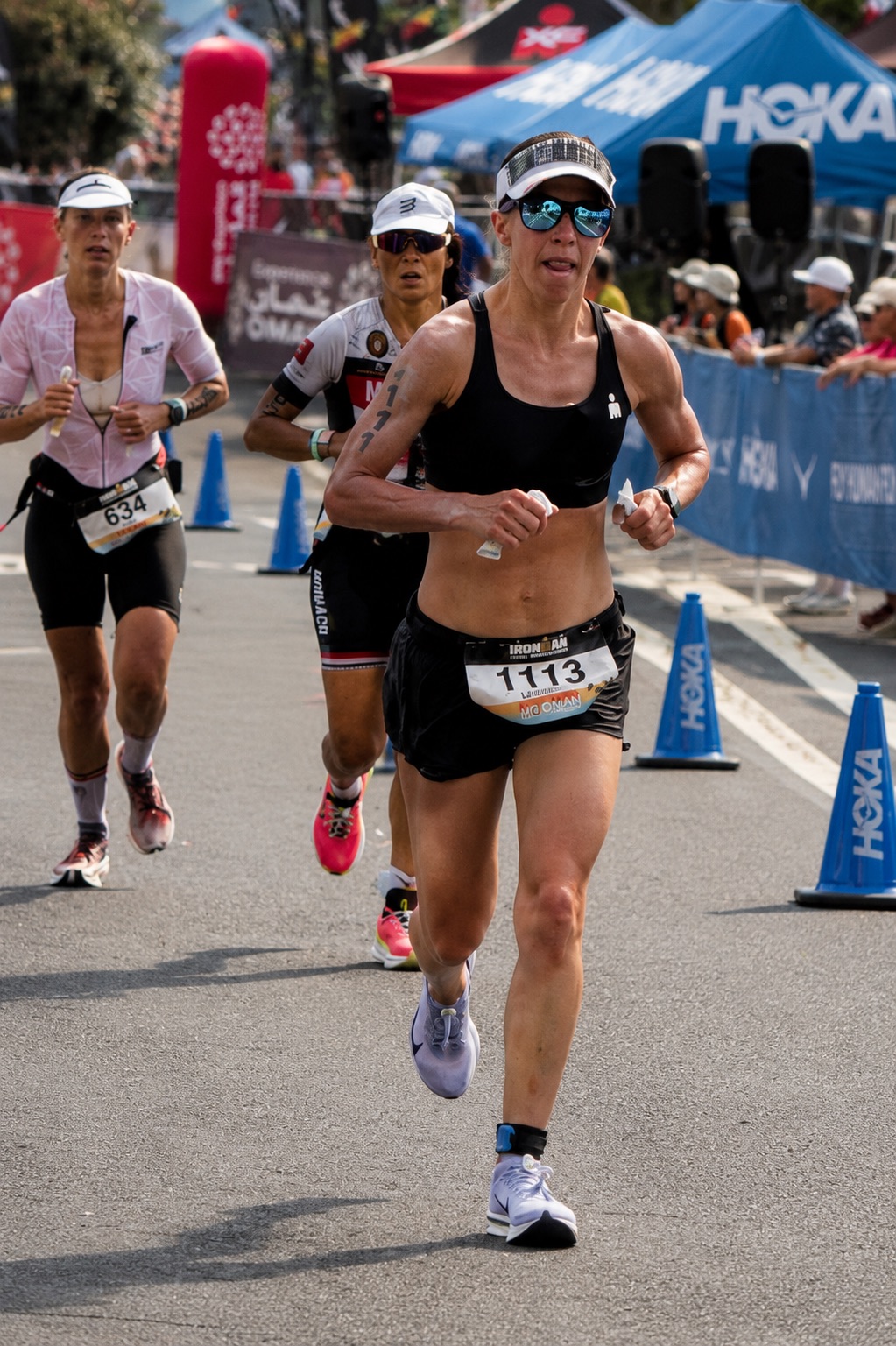
As temperatures climb across the country, conversations inevitably turn to hydration, electrolytes, and cooling strategies. Those are all important, but they’re only part of the equation.
Over the years, I’ve noticed the athletes who consistently perform well in the heat aren’t necessarily the ones who sweat less or tolerate high temperatures better. More often, they’re the ones who arrive at race day with the greatest capacity to absorb stress—and the discipline to adapt when conditions demand it.
I think of that as global fitness.
What Is Global Fitness?
Global fitness extends beyond swim, bike, and run fitness. It’s built through consistent sleep, adequate fueling, hydration, recovery, and managing the cumulative stress of training and everyday life. Heat is simply another stressor. The more reserve you have before race day, the better prepared you are to handle it.
That’s why two athletes with similar fitness can have completely different experiences on a hot day. One sees the conditions as overwhelming, while the other adapts and keeps making good decisions. The difference often isn’t talent – it’s capacity.
The second piece is mindset.
Not the “be mentally tough” kind, but the ability to understand what’s happening physiologically and respond accordingly. Your body begins working harder to regulate temperature long before the effort feels unsustainable. Waiting until you feel overheated is often waiting too long.
Adjust Effort Before Conditions Force You To
The athletes who race well in the heat are proactive. They adjust their effort before conditions force them to. They respect the environment instead of fighting it. Backing off early isn’t weakness—it’s often what allows them to finish strong while others fade.
Heat isn’t something to fight but something to work with. Everyone is facing the same conditions. It rewards preparation, patience, and disciplined execution as much as fitness.
Performance in the heat isn’t determined by one hydration strategy or one perfect race-day decision. It’s built through the habits you practice every day and revealed by the choices you make when conditions become challenging.
Keep Reading
- Triathlon Racing in the Heat: How to Adjust Pace, Power, Heart Rate, and Hydration
- Why Durability Matters
- How Athletes Can Get the Best Sleep Before a Race
About the Author
Elizabeth Waterstraat | Founder and Head Coach, Multisport Mastery
Elizabeth Waterstraat is the founder and head coach of Multisport Mastery, with 20 years of coaching experience and 26 years as an endurance athlete. A USA Triathlon Level III Coach, she is a five-time Kona qualifier, five-time Ironman World Championship finisher and 12-time National Champion. She has coached athletes from beginners to professionals and from first-time finishers to world champions, helping them develop the fitness, skills, and confidence to pursue ambitious goals through consistent, purposeful training.
Her coaching philosophy is built on communication, education, and partnership, with an athlete-driven approach that emphasizes the process as much as the outcome. She believes effective coaching requires understanding the individual, maintaining focus on meaningful goals, and finding balance between athletic ambition and the demands of everyday life. Through her coaching and writing, Elizabeth encourages athletes to take ownership of their development, build confidence through knowledge, and create a positive, sustainable relationship with sport.
Read more about Elizabeth, or book a fit call to talk about your goals.