Every offseason, triathletes start looking for ways to get faster. Usually that means more training, a new bike or whatever piece of equipment is promising a few watts this year. But before you spend more money or add another interval session, look at where you’re already giving away speed. For experienced athletes, the next breakthrough isn’t always about getting fitter. Sometimes it’s about doing a better job with the fitness you already have.
Here are 10 places to look for free speed:
The short answer: before buying new gear or adding intervals, fix your bike position and practice holding it, set the right tire pressure, clean up your bike setup and race kit, tighten your transitions, swim the shortest line, handle your bike better, simplify fueling and learn what race effort actually feels like.
1. Fix Your Position Before Upgrading Your Bike
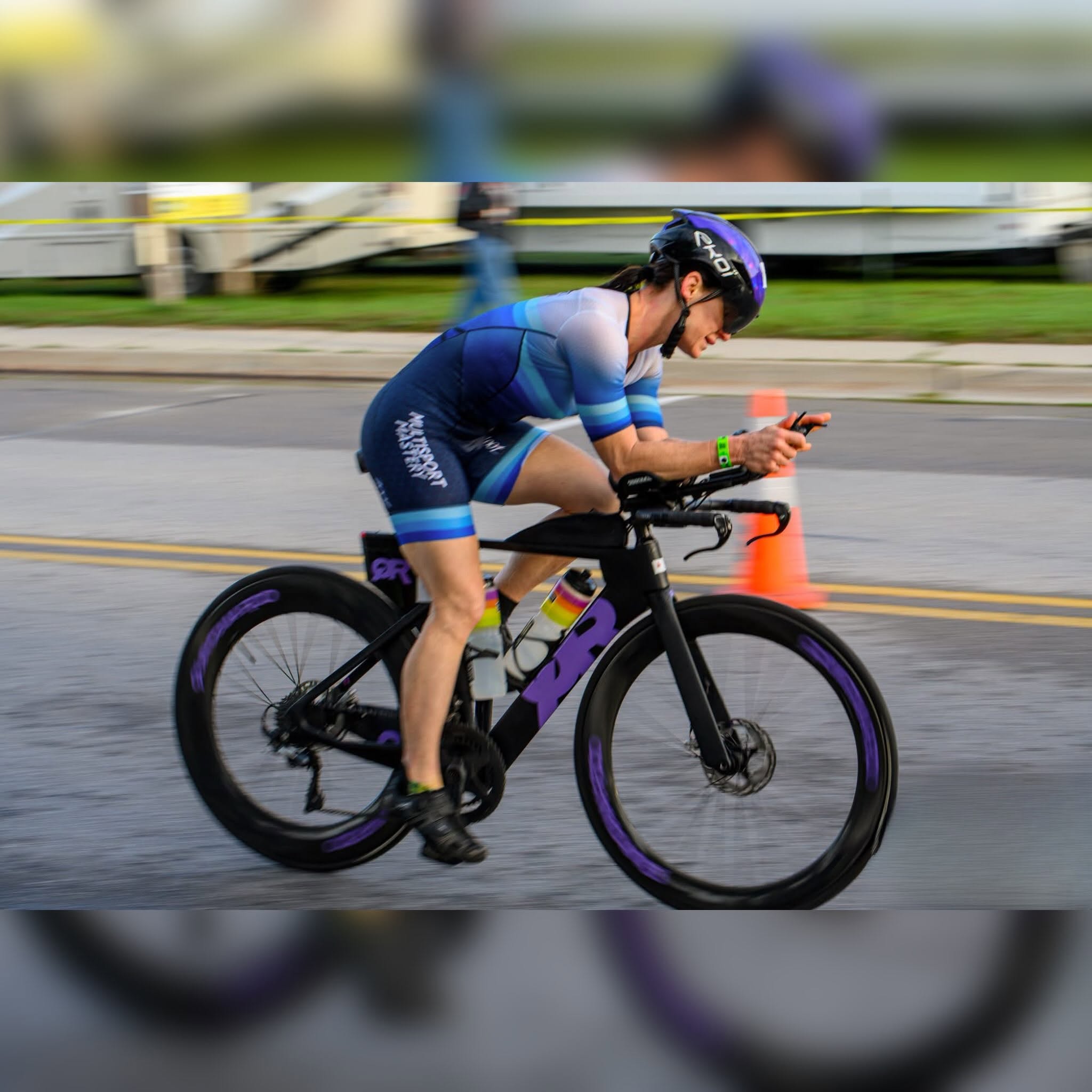
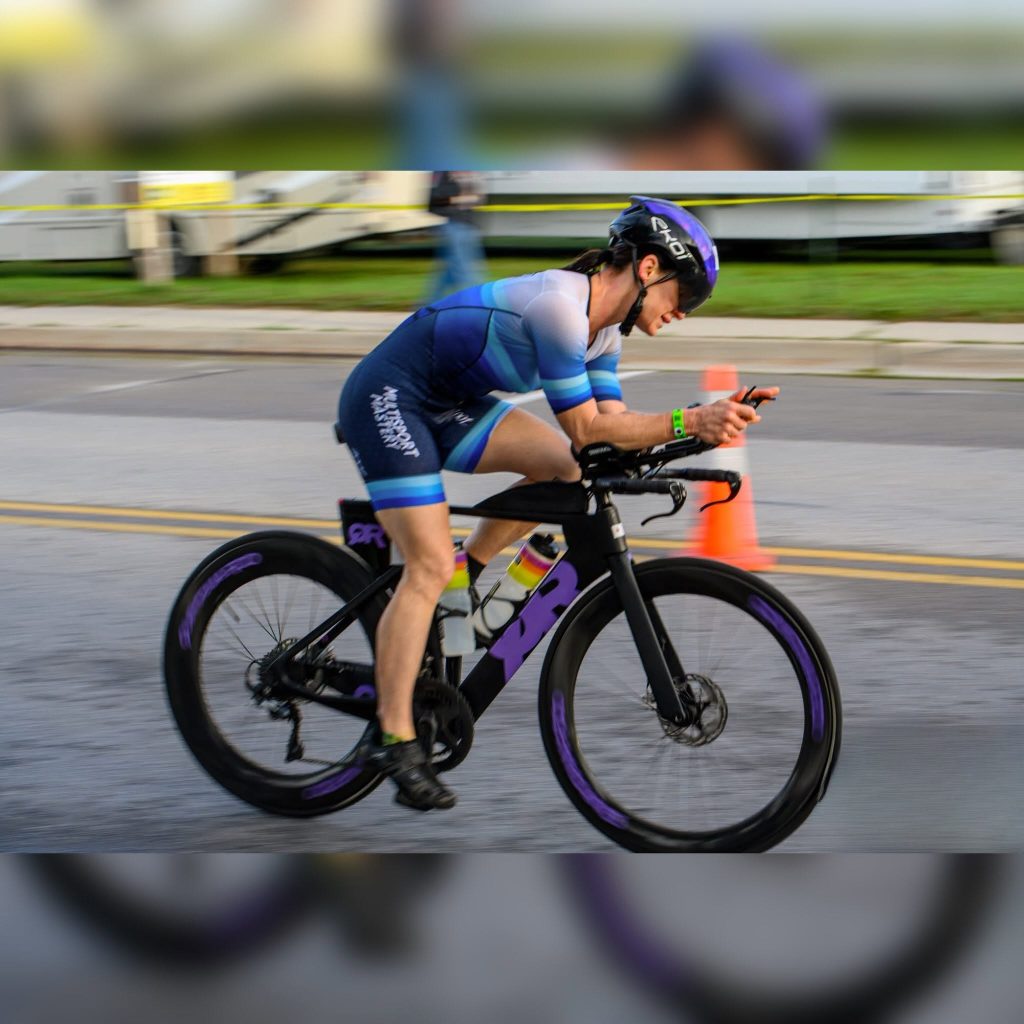
Your body creates far more drag than your bike. So before you start shopping for wheels or other aero upgrades, take a hard look at your position. A good position isn’t necessarily the lowest or most aggressive one. It’s the position you can hold while producing your target power and still getting off the bike ready to run. And that last part matters. A position that’s fast for 20 minutes in testing but falls apart after two hours isn’t a fast position.
2. Practice Staying Aero
Once you’ve found a good position, train yourself to stay there. Watch athletes late in a 70.3 or Ironman and you’ll see plenty sitting up, stretching their backs, drinking, climbing on the base bars or generally spending less time aero. Those minutes add up. Include long race-specific intervals where the goal isn’t only hitting power. It’s hitting power while staying in position.
3. Get Your Tire Pressure Right
Stop automatically pumping your tires to the same pressure you’ve used for the past five years. Tire width, rider weight, rim width and road surface all matter. On real roads, harder isn’t always faster. Choose a quality tire and determine an appropriate pressure for your setup and the conditions. This is one of the simplest changes you can make.
4. Look at Your Complete Bike Setup
Your bike might test fast without bottles, nutrition, a flat kit and everything else you’ll attach to it on race morning. Unfortunately, that’s not how you’re racing it. Set the bike up exactly as you’ll race and look at what’s hanging out in the wind. Bottles, storage, computers and hydration systems should all have a purpose and a place. Don’t turn an aerodynamic bike into a yard sale!
5. Pay Attention to Your Race Kit
A well-fitting trisuit matters. The key word is fitting. Loose sleeves, wrinkles and fabric flapping around your shoulders aren’t helping. Fit also changes once you’re bent over in your aero position, so don’t judge a suit solely by how it looks while standing in front of a mirror. If you’re serious about marginal gains, clothing deserves more attention than it usually gets.
6. Stop Wasting Time in Transition
You can spend months trying to improve your threshold and then give away 60 seconds looking for your socks.Practice your transitions.You don’t need to turn them into a weekly workout, but you should know exactly what you’re doing. Remove unnecessary steps. Organize your equipment the same way every time.A faster transition costs you no additional energy.
7. Swim the Shortest Course
Plenty of strong pool swimmers become very average open-water swimmers.Learn to sight without completely disrupting your stroke. Learn to draft. Learn how to position yourself in a group. Most importantly, learn to swim straight. If the course is 1,900 meters and your watch says you swam 2,050, your swim fitness wasn’t the problem.
8. Become a Better Bike Handler
Not every bike gain comes from producing more watts. If you brake unnecessarily before corners, choose poor lines or lose momentum on every technical section, you’re constantly paying to accelerate again. Spend time descending, cornering and riding technical roads. Learn when you actually need to brake and when you don’t. Good bike handling saves both time and energy.
9. Make Fueling Easy
Your nutrition setup should allow you to eat and drink without repeatedly coming out of your aero position. If every gel requires a five-step process, change the system. Set up your bike so fueling becomes automatic. Practice it in training until you know where everything is without thinking about it. You’re more likely to follow your nutrition plan when executing it is simple.
10. Learn What Race Effort Actually Feels Like
This might be the biggest source of free speed on the list. The goal of the bike leg isn’t to produce the biggest power number you can brag about afterward. It’s to get from T1 to T2 quickly enough and with enough left to run well. That requires discipline. Know what your race effort should feel like. Know when the course justifies going above it and when you need to back off. Practice riding by feel as well as by power so you’re not completely dependent on a number on your computer. The fastest bike split isn’t always part of the fastest race.
Before You Buy More Fitness
None of these upgrades replaces good training. You still need consistency, durability and enough fitness to support your goals. But experienced triathletes should also ask a different question: How much of my current fitness am I actually turning into speed? Look at your position. Look at how often you’re actually aero. Look at your tires, clothing, transitions, open-water skills, bike handling, fueling and pacing. There are probably minutes sitting there already.You just have to stop giving them away.
Getting faster at triathlon does not always require more training. Before adding volume, examine how efficiently you use your current fitness. Sustainable bike positioning, practiced transitions, straight swimming, accessible fueling, and disciplined pacing can help you turn preparation into a better race
Keep Reading
- Free Speed: Get Faster Without Doing More
- Five Things You’re Missing with FTP
- Fix Your Swim Fast: 7 Proven Techniques to Improve Speed, Efficiency, and Confidence
- Triathlon Racing in the Heat: How to Adjust Pace, Power, Heart Rate, and Hydration
About the Author
Elizabeth Waterstraat | Founder and Head Coach, Multisport Mastery
Elizabeth Waterstraat is the founder and head coach of Multisport Mastery, with 20 years of coaching experience and 26 years as an endurance athlete. A USA Triathlon Level III Coach, she is a five-time Kona qualifier, five-time Ironman World Championship finisher and 12-time National Champion. She has coached athletes from beginners to professionals and from first-time finishers to world champions, helping them develop the fitness, skills, and confidence to pursue ambitious goals through consistent, purposeful training.
Her coaching philosophy is built on communication, education, and partnership, with an athlete-driven approach that emphasizes the process as much as the outcome. She believes effective coaching requires understanding the individual, maintaining focus on meaningful goals, and finding balance between athletic ambition and the demands of everyday life. Through her coaching and writing, Elizabeth encourages athletes to take ownership of their development, build confidence through knowledge, and create a positive, sustainable relationship with sport.
Read more about Elizabeth, or book a fit call to talk about your goals.